
Singapore imports over 90% of its fruits and vegetables, a necessity for a small, urban nation with limited arable land. While this ensures access to a wide variety of produce year-round, it also means that pesticide use is a reality in the food we eat.
Even when produce meets legal safety standards, trace amounts of pesticides — known as pesticide residues — can remain on fruits and vegetables. For consumers who eat fresh produce daily, these residues may accumulate over time, raising concerns about long-term health impacts.
Understanding how pesticides make their way onto imported produce, which fruits and vegetables are most at risk, and how organic options can reduce exposure is critical for informed food choices in Singapore.
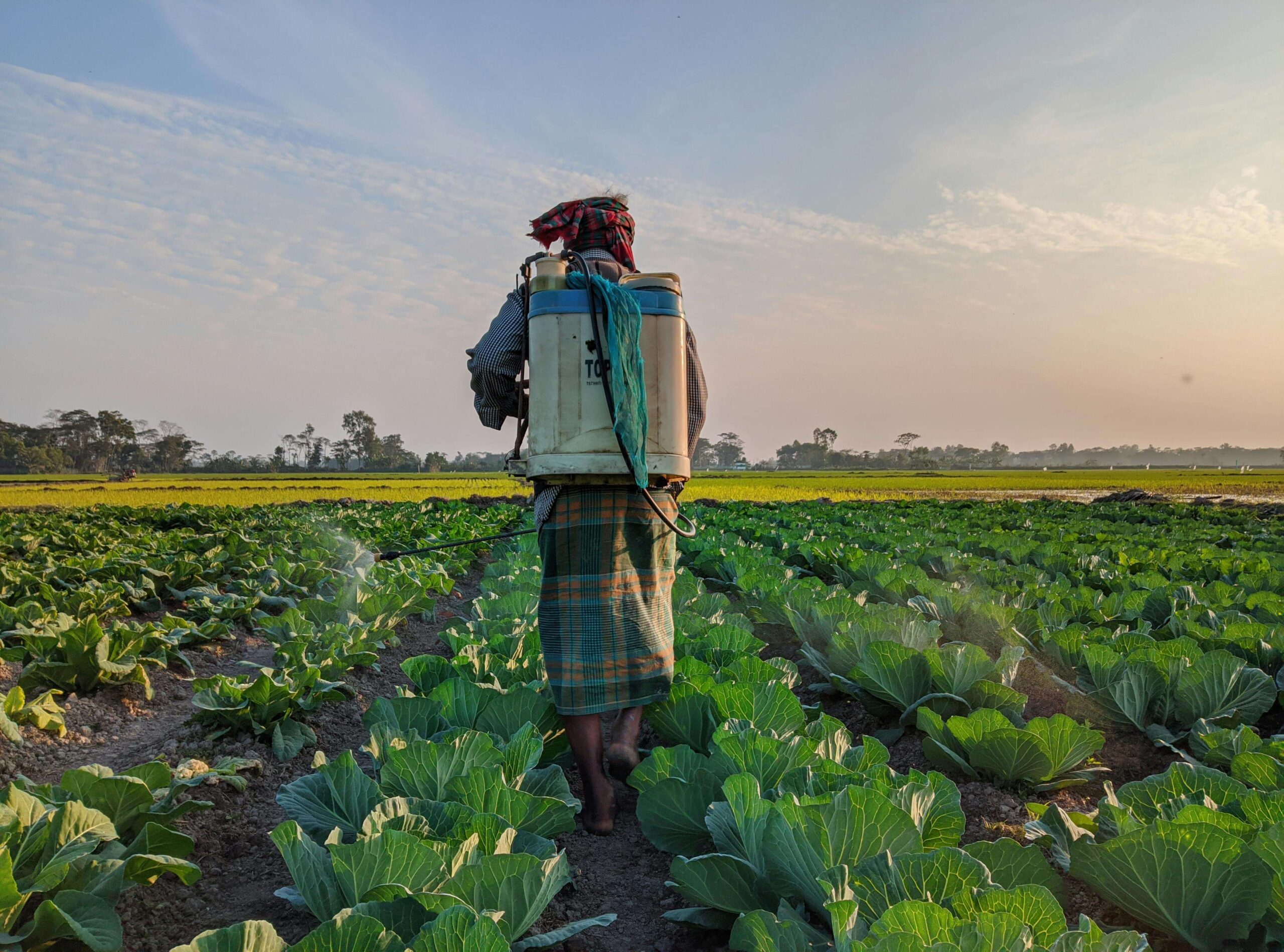
Pesticides are chemicals used in conventional farming to protect crops from:
Insects
Fungal diseases
Weeds
Other environmental stressors
Pesticide residues are small amounts of these chemicals left on or in produce after harvesting. Even after washing, peeling, or cooking, some residues may remain — particularly on leafy greens, berries, and thin-skinned fruits.
These residues are regulated by international safety standards, but regulations are based on short-term intake, not necessarily long-term consumption patterns common in daily diets.
Imported fruits and vegetables often travel long distances from farms in countries like Australia, Malaysia, China, and the USA. To survive shipping and storage:
Produce may be sprayed multiple times during farming
Post-harvest chemicals can be applied to extend shelf life
Treatments ensure appearance remains appealing to consumers
These measures help reduce spoilage but increase the likelihood of pesticide residues, particularly for crops like apples, grapes, tomatoes, and leafy greens.
Certain fruits and vegetables consistently contain higher pesticide residues in global studies:
Apples
Grapes
Strawberries
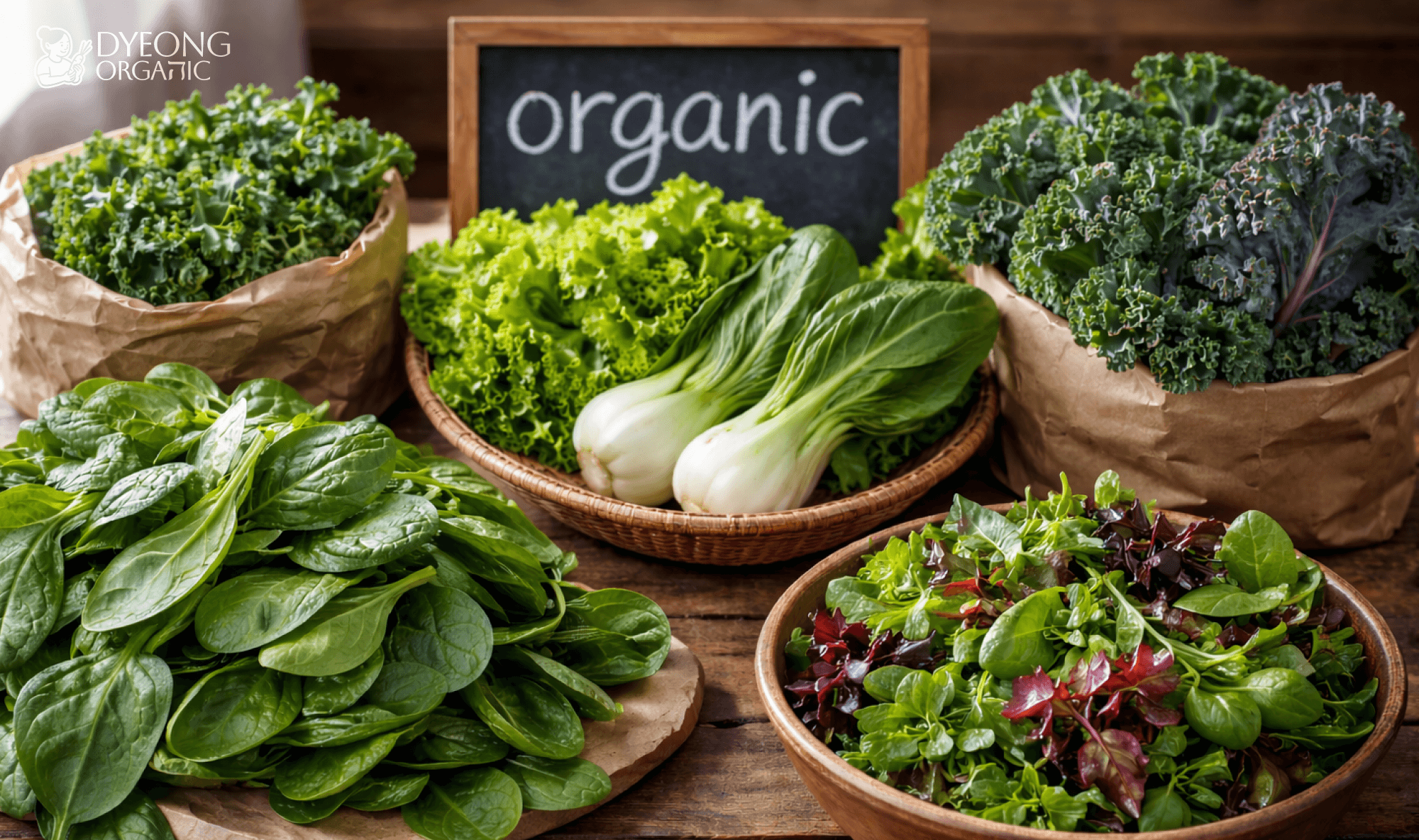
Leafy greens (spinach, lettuce, bok choy)
Tomatoes
Capsicum
For Singapore consumers, these are often imported and eaten raw or lightly cooked — which amplifies exposure risk. This makes choosing certified organic produce especially important, as organic standards restrict synthetic pesticide use and support safer, more sustainable farming practices.
While pesticide residues are usually present in very small amounts, long-term exposure may be a concern, particularly for:
Children, whose smaller body weight makes them more sensitive
Pregnant women
Frequent fruit and vegetable consumers
Long-term studies suggest that chronic pesticide exposure can impact neurological development, hormonal balance, and gut health. Choosing produce with lower pesticide residues can reduce these risks.
Organic farming standards prohibit synthetic pesticides, chemical fertilizers, and post-harvest treatments, focusing on:
Healthy soil management
Crop rotation and natural pest control
Non-GMO seeds
By buying organic fruits and vegetables, Singapore consumers can significantly reduce pesticide exposure, especially for high-risk crops like berries, leafy greens, and apples.
Even if you don’t go fully organic, you can reduce pesticide intake with smart choices:
Prioritise high-residue crops for organic purchase
Berries, apples, grapes, spinach, tomatoes
Wash produce thoroughly
Rinse under running water
Use a vegetable brush for firmer produce
Peel when appropriate
Peeling removes surface residues, though some nutrients may be lost
Rotate your produce
Eating a variety of fruits and vegetables reduces the chance of repeated exposure to the same chemicals
Support certified organic brands
Buying from trusted sources, like Dyeong Organic, ensures products meet strict standards
Because Singapore relies heavily on imported produce:
Shelf life matters, so conventional imports are more likely to have been treated
Local sourcing is limited, so organic imports are often the best way to access clean produce
Frequent raw consumption, such as salads, juices, and fruit snacks, increases the importance of residue-free options
For families, organic options offer peace of mind alongside better flavour and freshness.
Organic farming not only reduces pesticide residues but also supports environmental sustainability:
Protects soil and water quality
Reduces chemical runoff
Supports biodiversity
Encourages responsible farming practices globally
By choosing organic produce, Singapore consumers contribute to healthier ecosystems in exporting countries, which is particularly relevant given the city-state’s dependence on imports.
In addition to health considerations, many consumers notice that organic fruits and vegetables:
Have stronger natural flavours
Retain texture better
Stay fresh longer without chemical treatments
This makes organic produce appealing not just for safety but for culinary enjoyment.
Pesticides in imported produce are an unavoidable reality in Singapore’s food system. However, consumers can reduce their exposure and make safer, healthier choices by:
Prioritising organic for high-risk produce
Washing and preparing fruits and vegetables properly
Understanding which crops are more likely to carry residues
For families, health-conscious individuals, and anyone who eats fruits and vegetables frequently, organic produce is a practical, long-term investment in health and wellbeing — and it’s one of the simplest ways to reduce chemical exposure in a city reliant on imported food.