
Leafy greens are one of the most common ingredients in Singapore kitchens. From stir-fried bok choy to spinach soups, lettuce wraps, and noodle toppings, leafy vegetables are eaten almost daily — often without much thought.
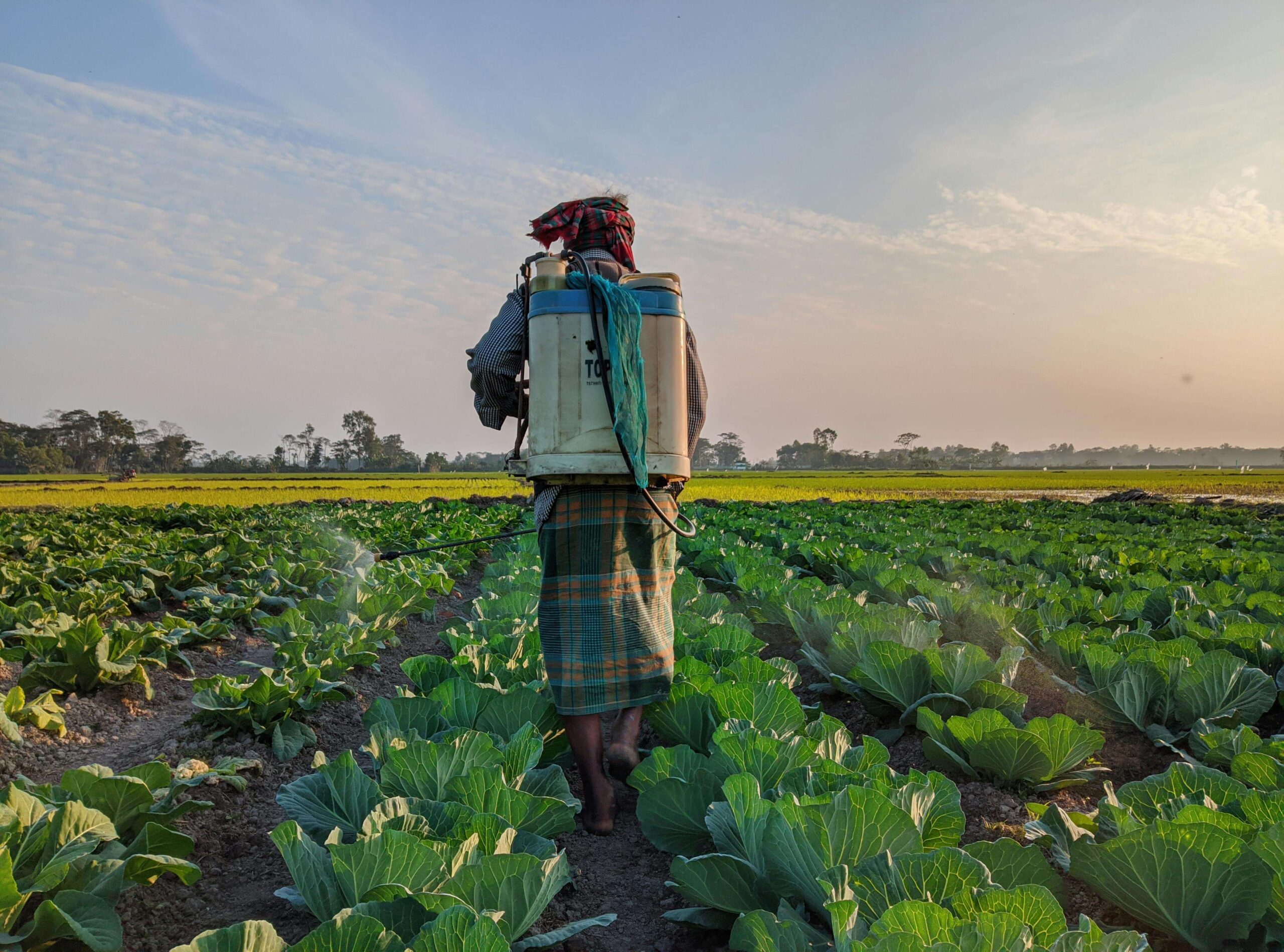
Yet leafy greens are also among the most chemically treated crops in conventional agriculture. Their thin leaves, large surface area, and fast growth cycles make them especially vulnerable to pests, which is why conventional farming relies heavily on pesticides to protect yields.
For Singapore consumers — where food is largely imported and eaten frequently — this makes leafy greens one of the most important categories to choose organic.
Leafy greens grow close to the soil and are harvested quickly. Unlike fruits with protective skins, their leaves directly absorb sprays, water, and airborne residues.
Common issues with conventional leafy greens:
Higher pesticide residue levels
Frequent spraying due to rapid growth cycles
Post-harvest chemical treatments to extend shelf life
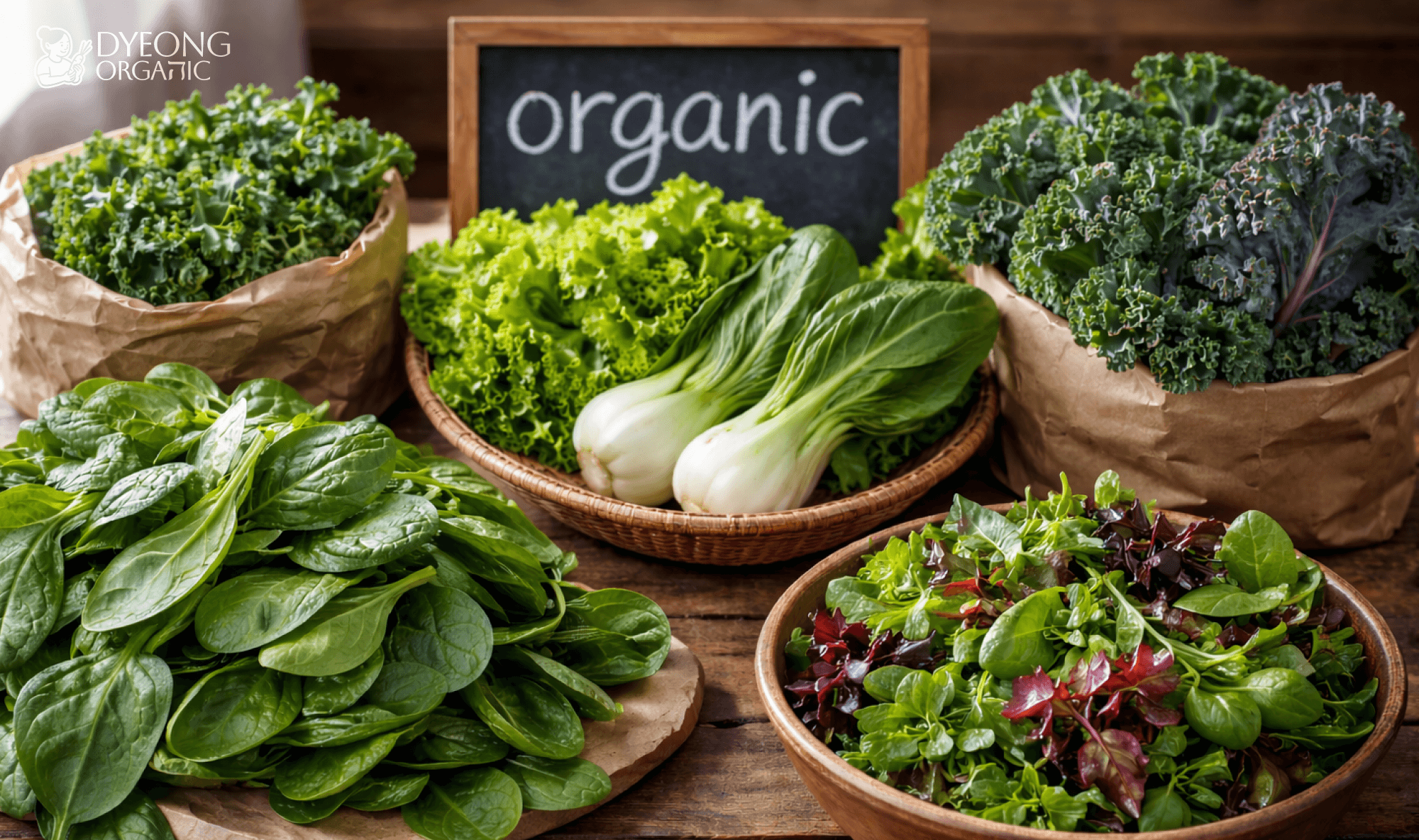
Organic leafy greens are grown without synthetic pesticides or chemical fertilisers, relying instead on soil health, natural pest control, and crop rotation.
In Singapore, leafy greens are:
Eaten frequently
Often lightly cooked
Served to children and elderly family members
Even when pesticide levels fall within safety limits, cumulative exposure over time is a growing concern. Organic leafy greens reduce this exposure significantly, making them one of the highest-impact organic swaps you can make.
Many shoppers notice that organic leafy greens:
Taste less bitter
Retain moisture longer
Stay crisp after cooking
This is because organic greens grow more slowly and develop stronger cell structures, improving both flavour and texture.
Organic farming protects:
Soil biodiversity
Water systems
Pollinators
By choosing organic leafy greens, consumers support farming systems that are more sustainable in the long term — critical in a region dependent on food imports.
Prioritise organic for:
These greens consistently rank among the highest-residue vegetables in conventional farming.
Organic leafy greens are not a luxury — they are a practical health choice, especially in Singapore where consumption is high and imports are unavoidable. If you’re choosing just one category to go organic, leafy greens should be at the top of your list.