
In Singapore, over 90% of our food is imported, including almost all organic fruits and vegetables. This means consumers cannot visit farms, speak directly to growers, or observe farming practices firsthand. Instead, trust is built through organic certifications.
When shoppers search for “buy organic Singapore”, they are not just looking for healthier food — they are looking for credibility, safety, and assurance that what they are buying is genuinely organic.
However, not all organic labels carry the same weight.
Understanding which certifications matter — and which are most relevant to Singapore — empowers consumers to make informed, confident decisions when buying organic food.
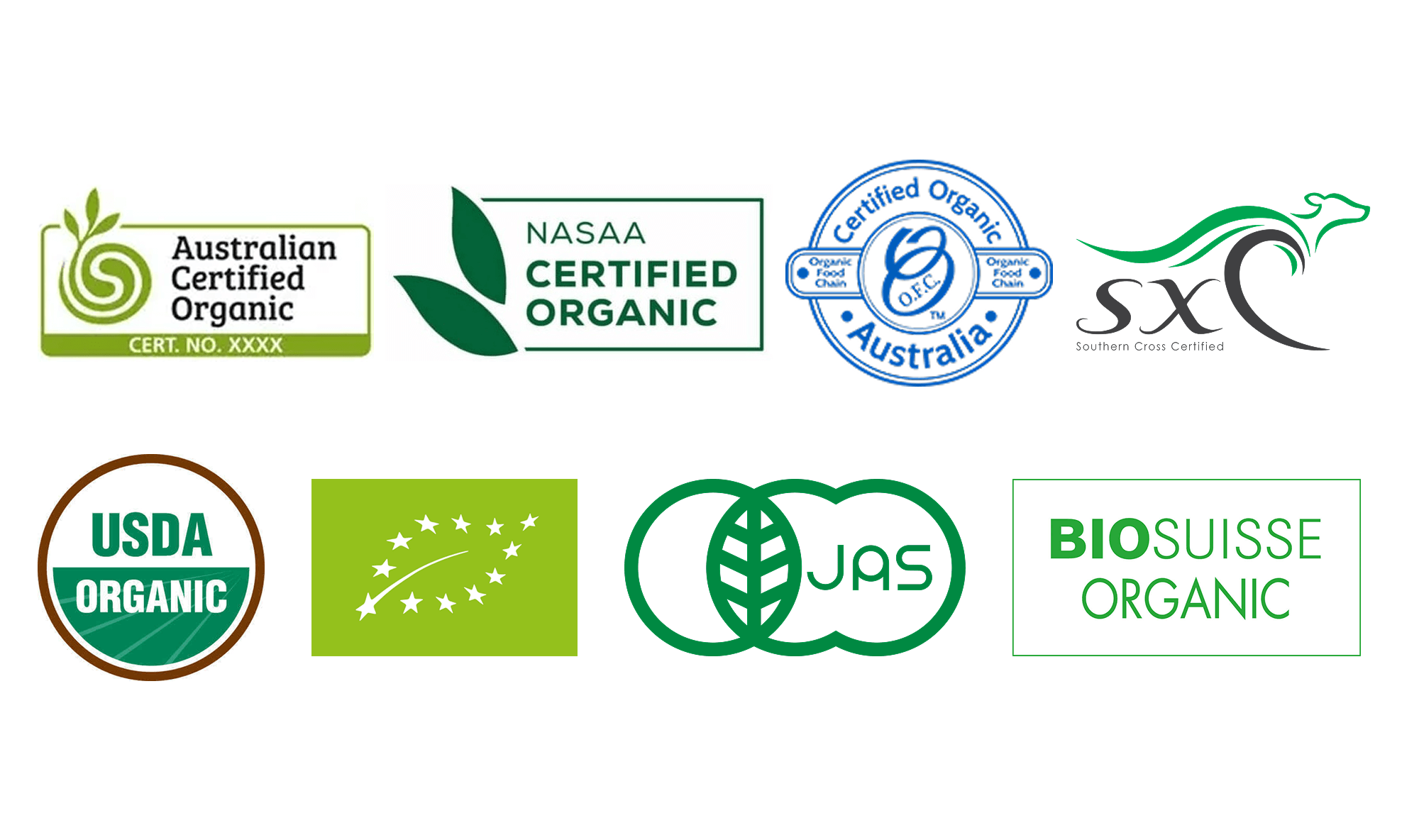
This guide focuses on the most important organic certifications relevant to Singapore, with particular emphasis on ACO, OFC, and NASAA, the certification bodies used for products sold at Dyeong Organic, followed by an overview of other international certifications commonly seen in the market.
An organic certification is an independent, third-party verification system that confirms food has been grown, processed, handled, and transported according to strict organic standards.
Certified organic food must comply with requirements such as:
No synthetic pesticides or herbicides
No genetically modified organisms (GMOs)
No artificial fertilisers
No chemical growth hormones
Strict soil health, crop rotation, and biodiversity rules
Full traceability from farm to retailer
For Singapore consumers, organic certification is essential because it provides cross-border accountability in a global food supply chain.
Because Singapore imports most of its food:
Produce travels long distances
Consumers rely on labels, not farm visits
Marketing claims alone are insufficient
Food safety and authenticity depend on documentation
Organic certifications function as a global trust system, ensuring that food labelled organic genuinely follows internationally recognised organic farming practices — regardless of country of origin.
ACO (Australian Certified Organic) is Australia’s largest and most internationally recognised organic certification body, known for its rigorous standards and strict enforcement.
Many organic products available in Singapore — including those sold at Dyeong Organic — are certified by ACO, making it one of the most trusted certifications for Australian organic produce.
ACO organic standards include:
Prohibition of synthetic pesticides and fertilisers
No genetically modified organisms (GMOs)
Mandatory soil health and regeneration practices
Strict crop rotation and biodiversity requirements
Annual on-site inspections and compliance audits
One of the strictest organic certifications globally
Strong traceability from Australian farms to export markets
Widely trusted for fresh fruits, vegetables, and pantry items
ACO certification gives Singapore consumers confidence that their organic food meets high environmental, safety, and quality benchmarks from farm to table.
NASAA (National Association for Sustainable Agriculture Australia) is one of Australia’s oldest organic certification bodies and is internationally recognised for its sustainability-driven standards.
Many organic products available in Singapore — including those sold at Dyeong Organic — carry NASAA certification.
NASAA organic standards include:
Prohibition of synthetic pesticides and fertilisers
No genetically modified organisms (GMOs)
Strong sustainability and biodiversity requirements
Ethical land use and animal welfare standards
Annual inspections and compliance reporting
Long-established certification authority
Strong focus on environmental responsibility
Widely accepted in international organic trade
NASAA certification is particularly valued by consumers who prioritise sustainability alongside food safety and organic integrity.
OFC (Organic Food Chain) is an Australian organic certification body that verifies farms, processors, and supply chains against nationally recognised organic standards.
OFC-certified products are available in Singapore and are part of the certified organic range sold at Dyeong Organic, supporting transparent and well-documented sourcing.
OFC organic standards include:
Prohibition of synthetic pesticides and fertilisers
No genetically modified organisms (GMOs)
Organic soil management and natural inputs
Supply chain traceability and documentation
Regular audits and compliance verification
Focus on end-to-end supply chain integrity
Clear documentation for imported organic products
Supports consistent organic quality standards
OFC certification reassures Singapore consumers that organic food has been verified not only at farm level, but throughout processing and distribution.
SXC (Southern Cross Certified) is an Australian organic certification body that verifies farms and food producers according to established organic standards.
Like ACO, NASAA, and OFC, SXC certification is recognised within Australia’s organic industry and is seen on selected organic products available in Singapore — including products sold at Dyeong Organic.
SXC organic standards include:
Prohibition of synthetic pesticides and fertilisers
No genetically modified organisms (GMOs)
Organic soil management and natural farming inputs
Clear traceability from farm to final product
Regular inspections and compliance monitoring
Recognised Australian organic certification authority
Supports trusted Australia–Singapore organic supply chains
Provides assurance of audited organic farming practices
SXC certification is valued by Singapore consumers who want confidence that imported organic food meets verified organic standards with transparent sourcing.
At Dyeong Organic, products are carefully sourced from farms and suppliers certified by ACO, OFC, NASAA, and SXC — four internationally recognised certification bodies that uphold strict organic standards and are highly relevant to Singapore’s imported food market.
These certifications were chosen deliberately because they offer:
Strong enforcement and auditing
Clear traceability across borders
Credible international recognition
High relevance for Australian and Asia-Pacific organic produce
For Singapore consumers looking to buy organic with confidence, these certifications form the foundation of trust.
While ACO, OFC, NASAA, and SXC are central to Dyeong Organic’s sourcing, Singapore consumers may also encounter:
Regulated by the US Department of Agriculture
Prohibits synthetic pesticides and GMOs
Widely recognised and trusted globally

Strong environmental and animal welfare focus
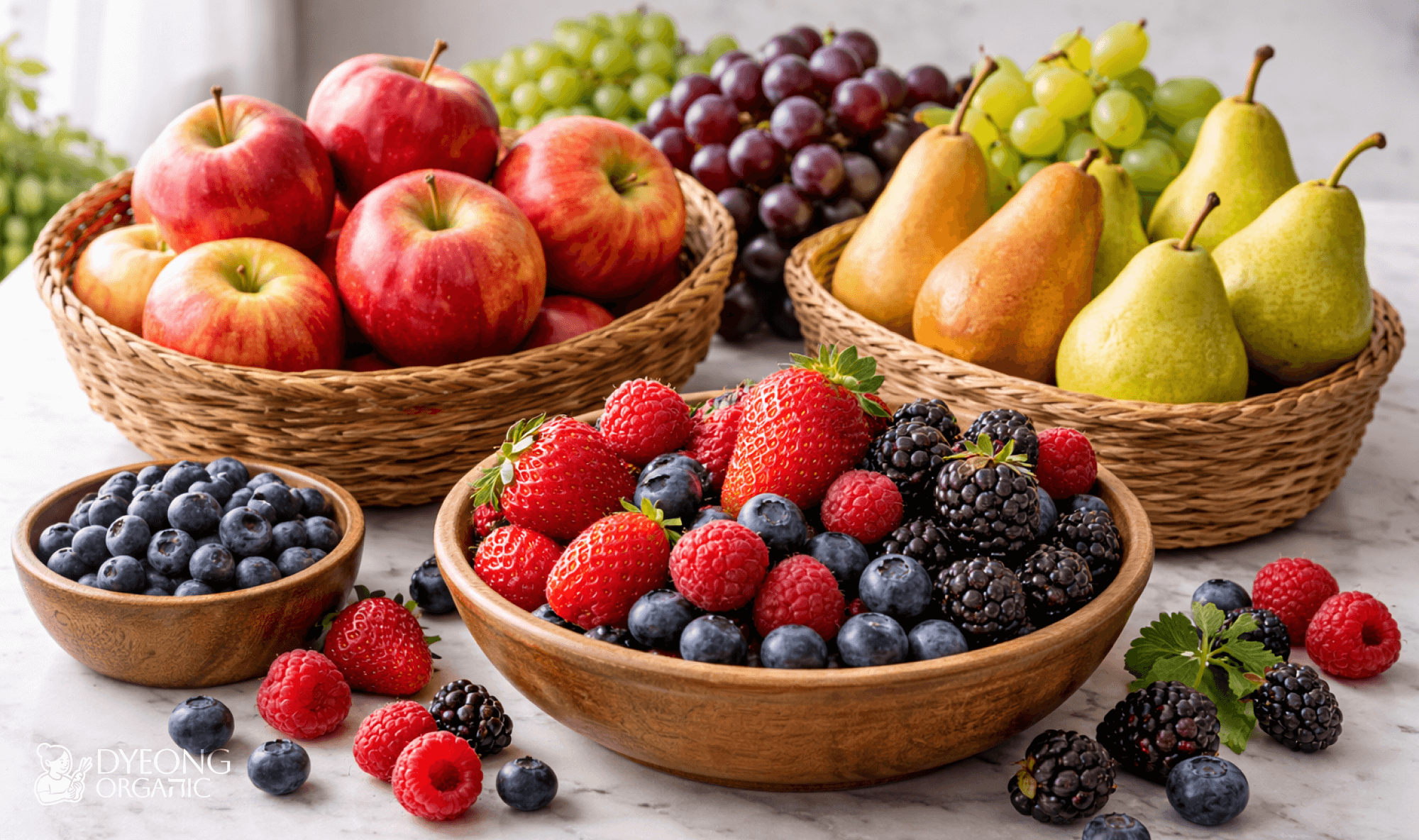
Common for European fruits like apples, pears, and berries
Strict residue and traceability rules
Extremely strict residue testing
High consumer trust
Less commonly available in Singapore
Exceeds EU organic standards
Very strict processing and transport requirements
Rare but premium
These certifications also represent legitimate organic standards, though availability varies and are not the primary standards used by Dyeong Organic.
Not exactly.
While all recognised certifications prohibit synthetic pesticides and GMOs, they differ in:
Soil management requirements
Sustainability criteria
Environmental protections
Audit frequency and enforcement strictness
Singapore consumers should prioritise:
Well-established certification bodies
Clear certification logos
Transparent country of origin
Retailers that disclose sourcing practices
When buying organic food:
Look for a recognised certification logo (ACO, OFC, NASAA, SFX, USDA, EU, etc.)
Check the country of origin
Avoid vague terms like “natural”, “eco-friendly”, or “chemical-free”
Look for certification body names or codes
Unregulated claims do not guarantee organic standards.
“Pesticide-free” is not a regulated term. Without certification:
Claims are not audited
Standards vary
Traceability is unclear
Certified organic food undergoes:
Regular inspections
Documentation verification
Residue testing
For Singapore families — especially those with children — certification offers peace of mind.
Organic certifications also regulate:
Post-harvest handling
Storage conditions
Transport contamination risks
They support long-term sustainability by promoting:
Soil regeneration
Water conservation
Reduced chemical runoff
Biodiversity protection
Rather than choosing a single “best” certification:
ACO, OFC & NASAA are excellent for Australian produce
USDA Organic is reliable for US imports
EU Organic is strong for European produce
The most important factor is choosing certified organic over uncertified claims.
In Singapore’s import-driven food system, organic certifications are not marketing tools — they are trust frameworks.
By sourcing products certified by ACO, OFC, and NASAA, Dyeong Organic ensures:
Verified organic farming practices
Transparent supply chains
Reliable food safety standards
Understanding organic certifications empowers consumers to buy organic in Singapore with confidence, protect their families’ health, and support sustainable agriculture — one informed choice at a time.