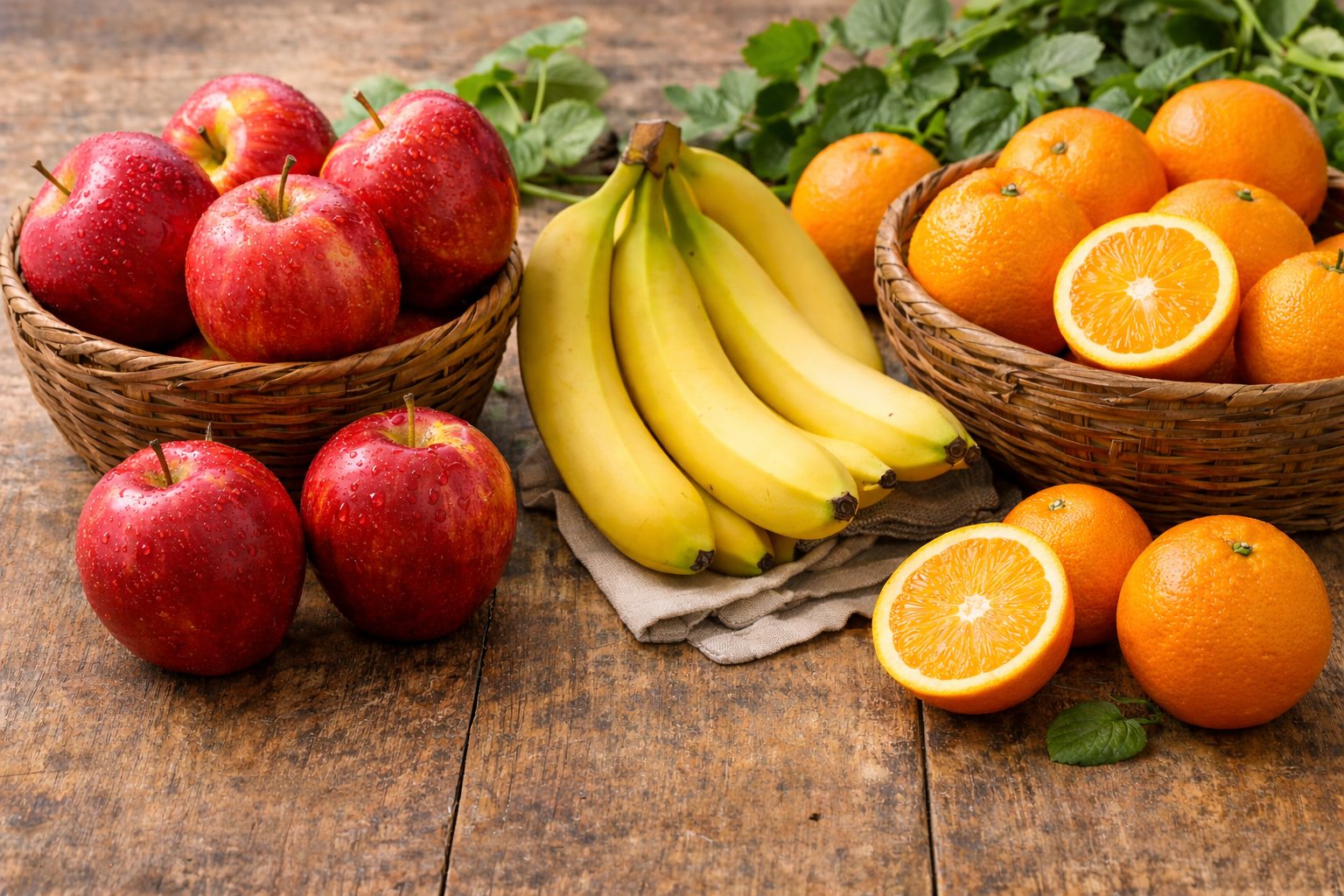


One of the most common questions shoppers ask is whether organic produce is worth the higher price. The answer depends on understanding how organic and conventional fruits and vegetables differ — not just in cost, but in farming methods, health impact, and environmental consequences.
Organic farming avoids synthetic pesticides, fertilisers, and genetically modified seeds. Instead, it relies on natural compost, crop rotation, and biological pest control.
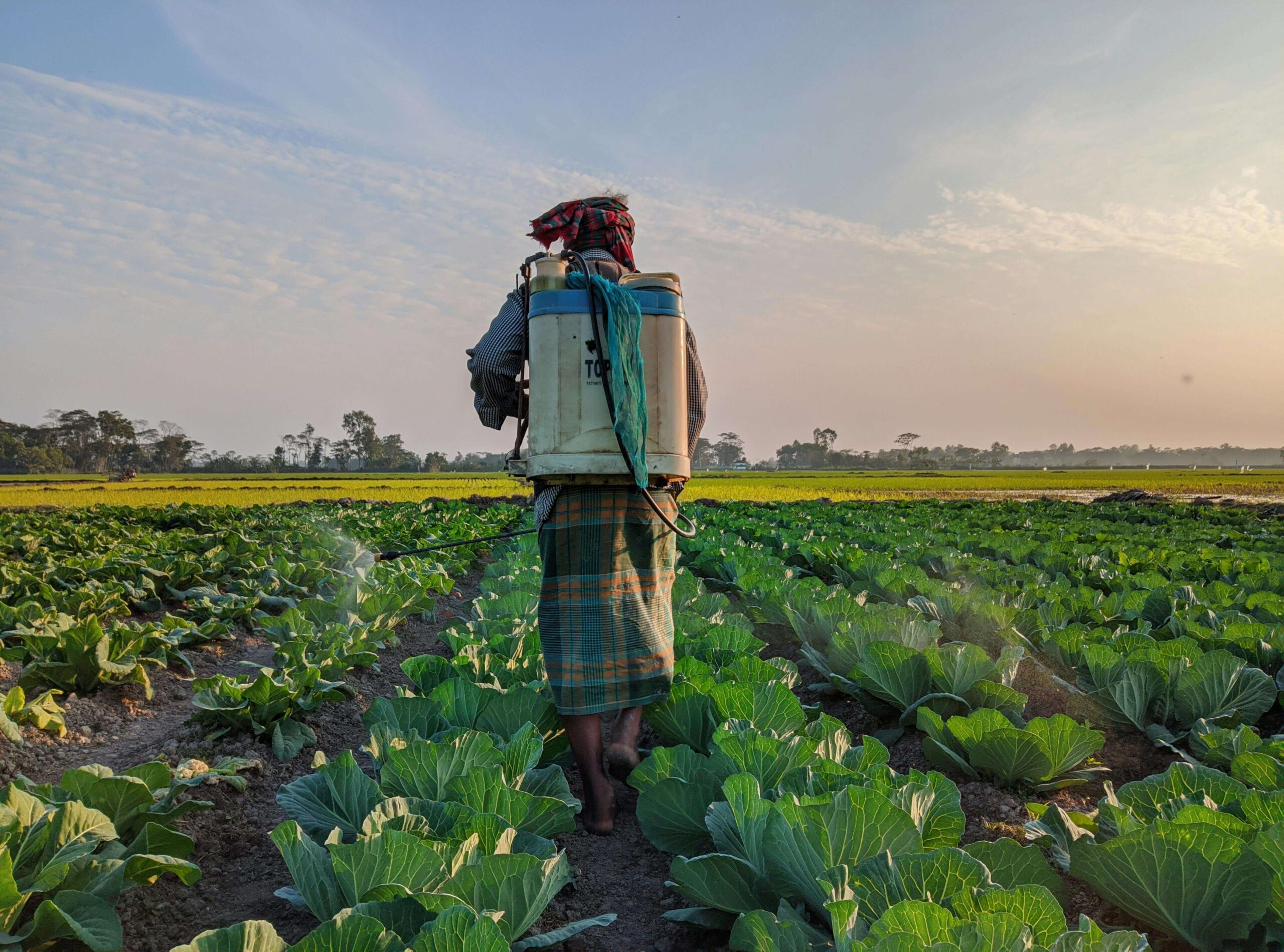
Conventional farming prioritises yield and efficiency, often using chemical inputs to maximise output.
These differences directly affect produce like Organic Tomatoes, Organic Capsicum, and Organic Cucumbers, which are prone to pesticide absorption.
Multiple studies show organic produce contains significantly lower pesticide residues. While conventional produce meets safety standards, long-term cumulative exposure remains a concern.
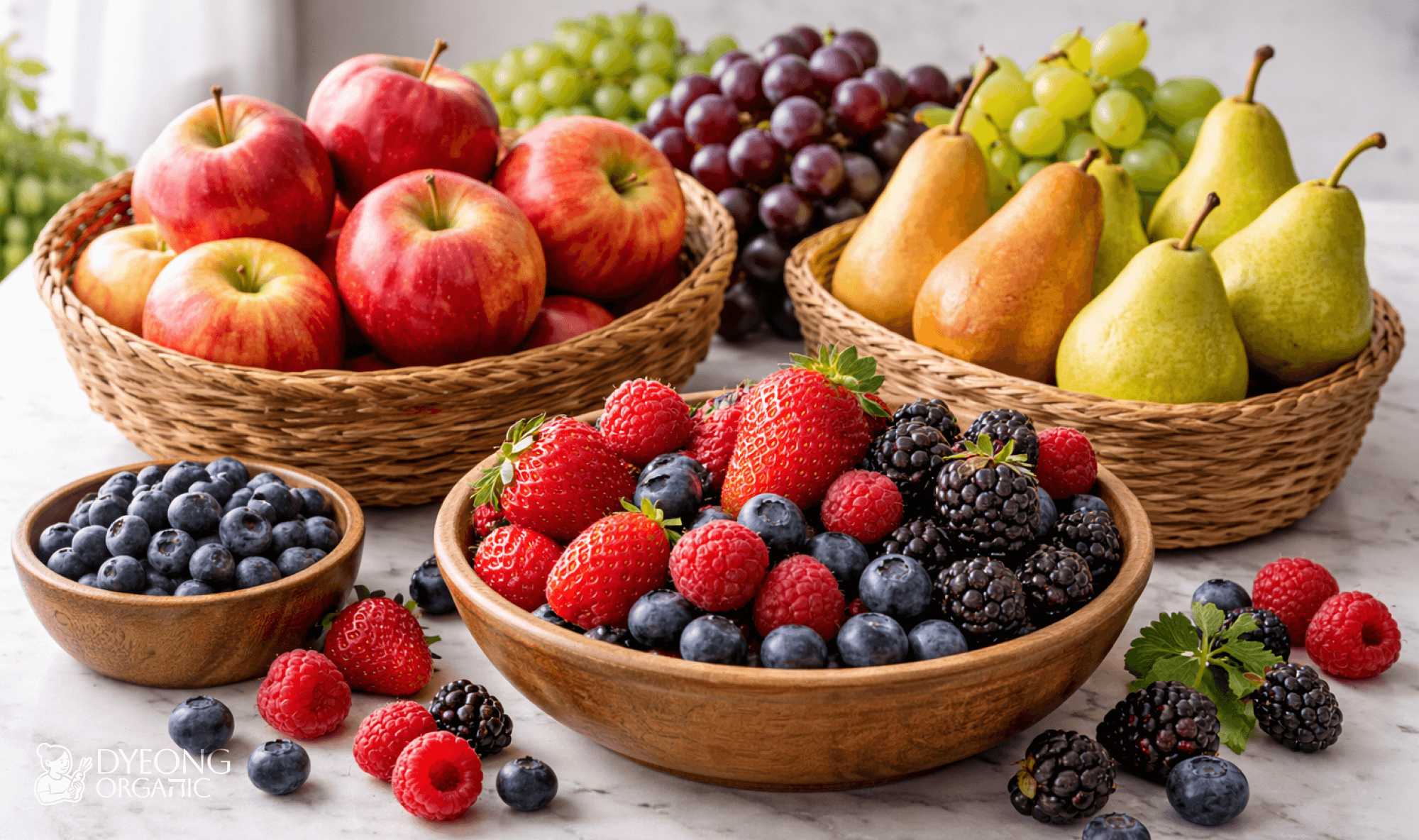
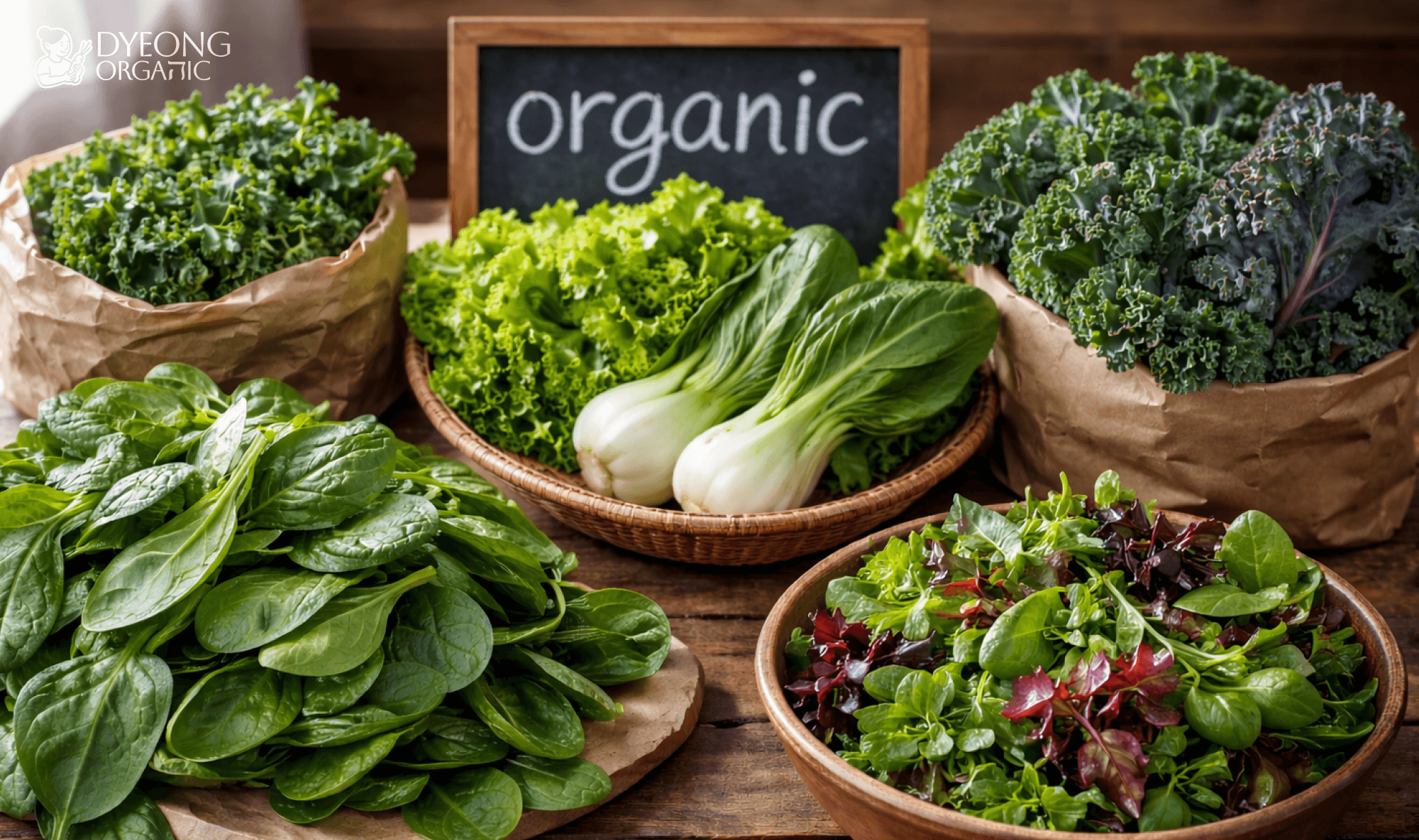
Switching high-risk items — such as leafy greens and thin-skinned fruits — to organic can make a meaningful difference.
Studies¹ suggest organic produce often contains:
Higher antioxidant levels
Lower heavy metal residues
Better overall nutrient balance
For Singaporeans focused on preventive health and ageing well, these small differences can support better digestion, immunity, and overall wellbeing over time. Nutritionally, organic produce often contains higher antioxidant levels, supporting overall health.
Organic farming has lower greenhouse gas (GHG) emissions², protects soil, water, and biodiversity. Over time, these practices contribute to healthier ecosystems and more resilient food systems.
A practical approach is prioritisation. Choose organic for:
This balances budget with health benefits.
Organic produce is an investment — not just in personal health, but in environmental sustainability. While not every item must be organic, choosing organic where it matters most delivers long-term value.
¹Rahman A, Baharlouei P, Koh EHY, Pirvu DG, Rehmani R, Arcos M, Puri S. A Comprehensive Analysis of Organic Food: Evaluating Nutritional Value and Impact on Human Health. Foods. 2024 Jan 9;13(2):208. doi: 10.3390/foods13020208. PMID: 38254509; PMCID: PMC10814746.
²Moyer, J, Smith, A, Rui, Y and J, Hayden. 2020 Regenerative Agriculture and the Soil Carbon Solution. Rodale Institute, September 2020. Available at: https://rodaleinstitute.org/wp-content/uploads/Rodale-Soil-Carbon-White-Paper_v11-compressed.pdf