
Organic fruits and vegetables are free from chemical preservatives, which means proper storage is essential to maintain freshness. Without correct handling, organic produce may spoil faster — leading to unnecessary waste and frustration.
With a few simple storage techniques, organic produce can last just as long (or longer) while retaining flavour and nutrition.
Unlike conventional produce, organic fruits and vegetables are not treated with synthetic anti-fungal agents or waxes. This makes them more sensitive to moisture, temperature changes, and natural ripening gases.
Items such as Organic Mushrooms, Organic Lettuce, and Organic Silverbeet benefit greatly from correct storage habits that mimic natural conditions.
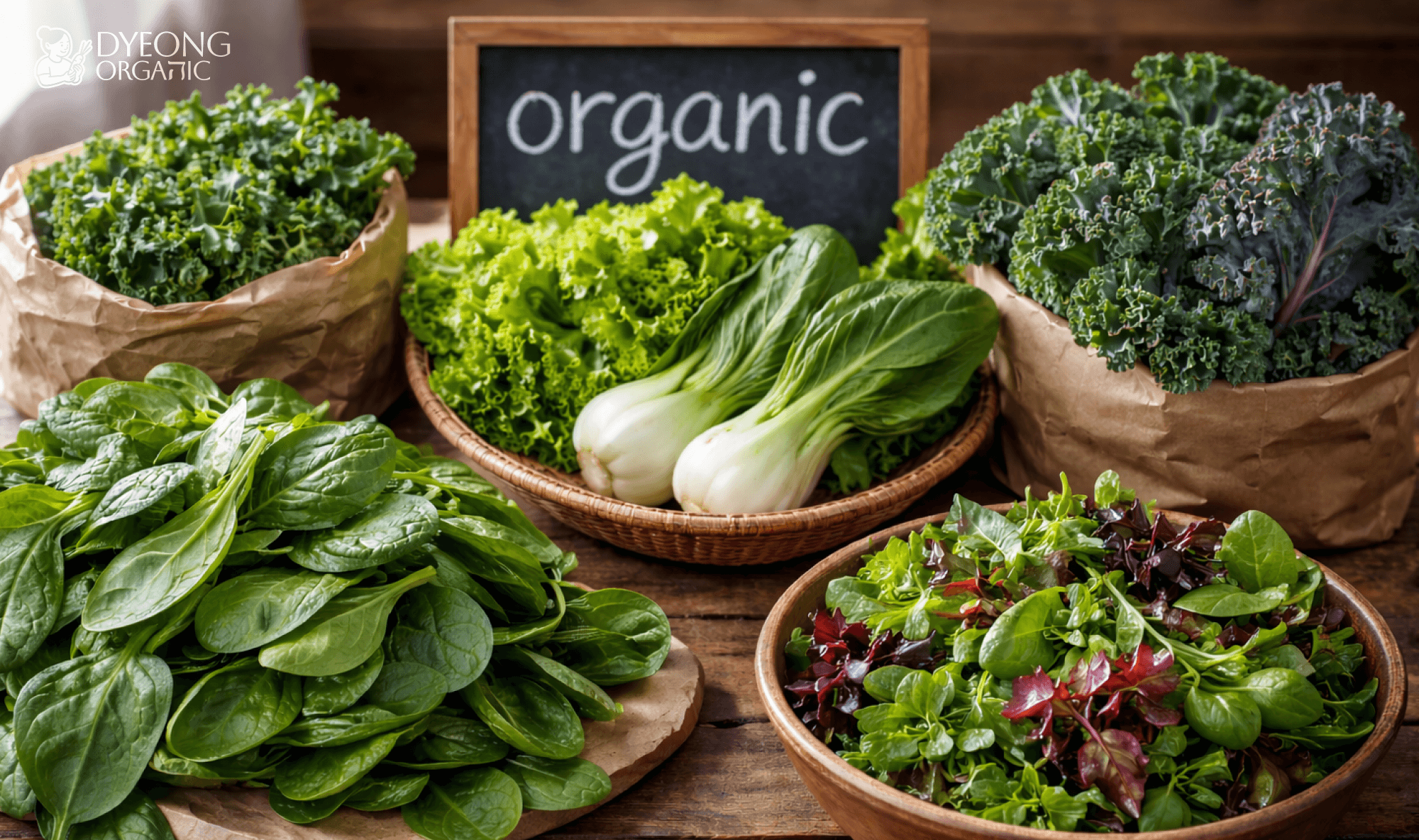
Leafy vegetables are among the most delicate organic items.
Best practices:
Remove rubber bands
Do not wash before storing
Wrap loosely in paper towel
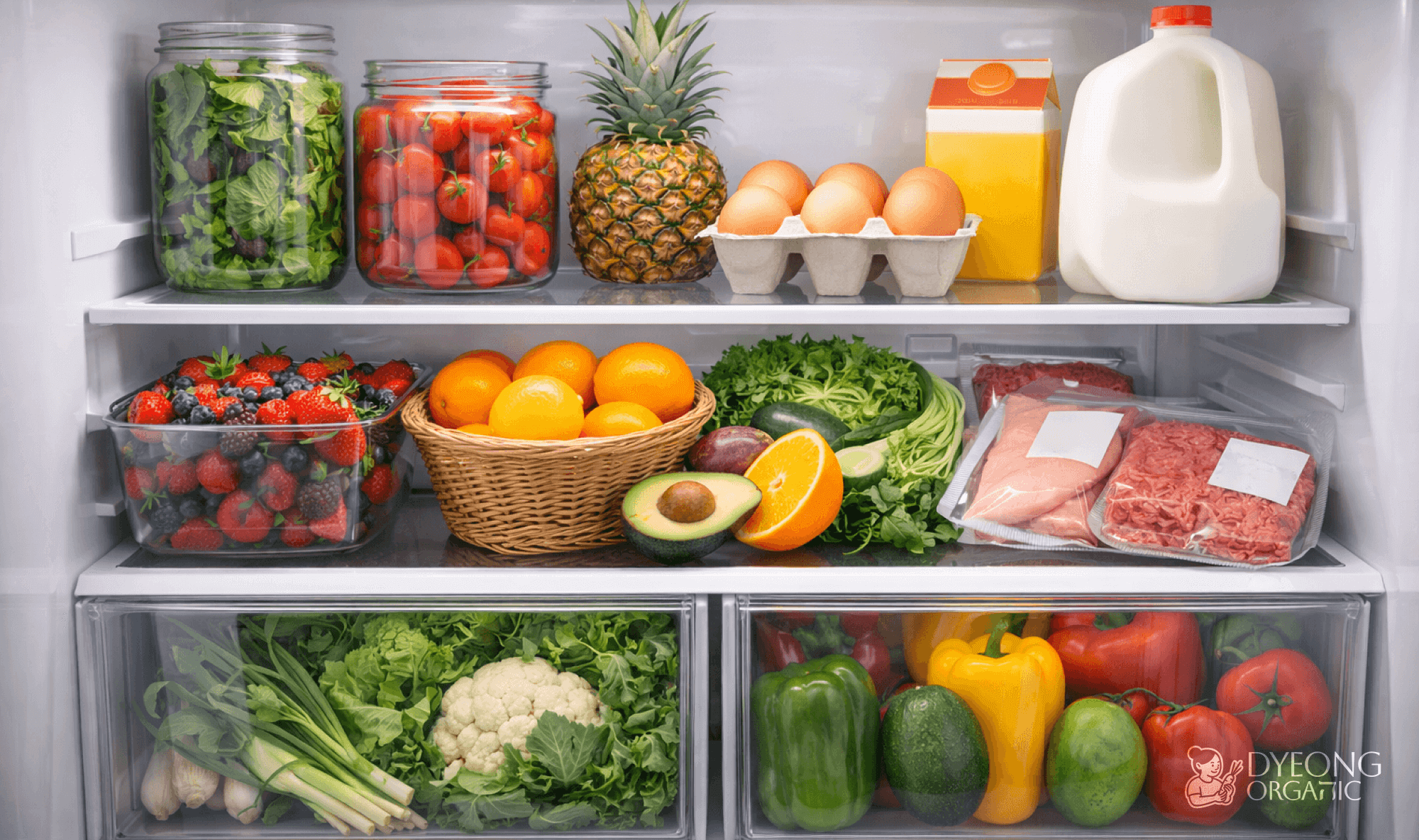
Store in breathable containers in the fridge crisper
Vegetables like Organic Bok Choy, Organic Spinach, and Organic Lettuce can last up to a week longer when kept dry and well-ventilated.
Root vegetables are more forgiving but still benefit from correct storage.
Organic Carrots: refrigerate in airtight containers
Organic Beetroot: store unwashed in the fridge
Organic Potatoes: keep in a cool, dark place (not refrigerated)
Organic Onions & Garlic: room temperature with airflow
Avoid storing potatoes and onions together, as this accelerates spoilage.
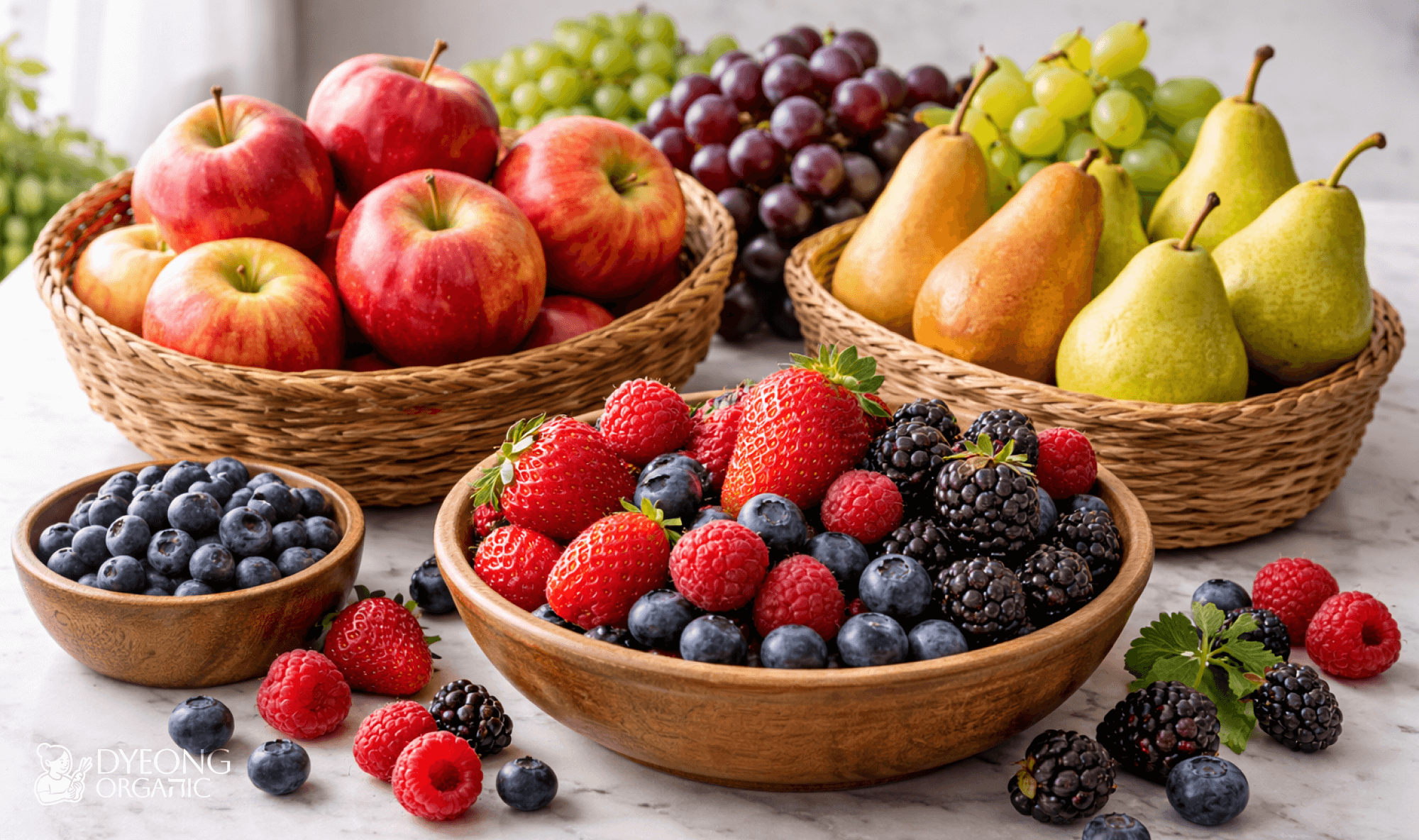
Some fruits ripen better at room temperature, while others last longer refrigerated.
| Room Temperature | Refrigerated |
|---|---|
| Organic Bananas | Organic Apples |
| Organic Avocados (until ripe) | Organic Pears |
| Organic Grapes | |
| Organic Berries |
Berries should be stored dry and unwashed in shallow containers to reduce mould growth.
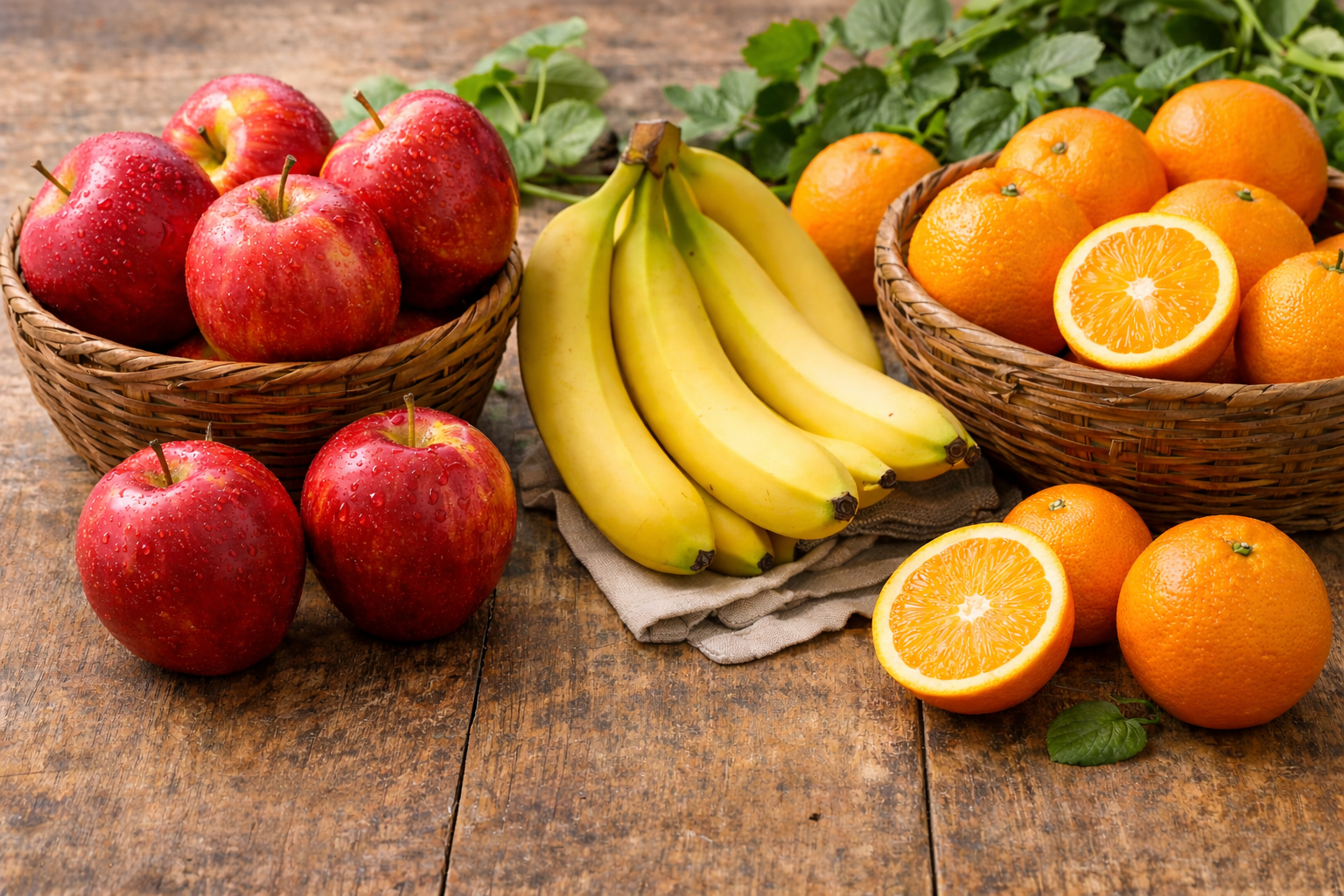
Certain fruits release ethylene gas, which speeds up ripening.
High ethylene producers: apples, bananas, avocados
Ethylene-sensitive: leafy greens, cucumbers, broccoli
Store these separately to maximise shelf life.
Always wash organic fruits and vegetables just before use, not before storage. Moisture encourages bacteria and mould.
Proper storage protects the freshness, taste, and value of organic produce. With simple habits — moisture control, temperature awareness, and separation — organic fruits and vegetables can stay fresh longer while reducing food waste at home.